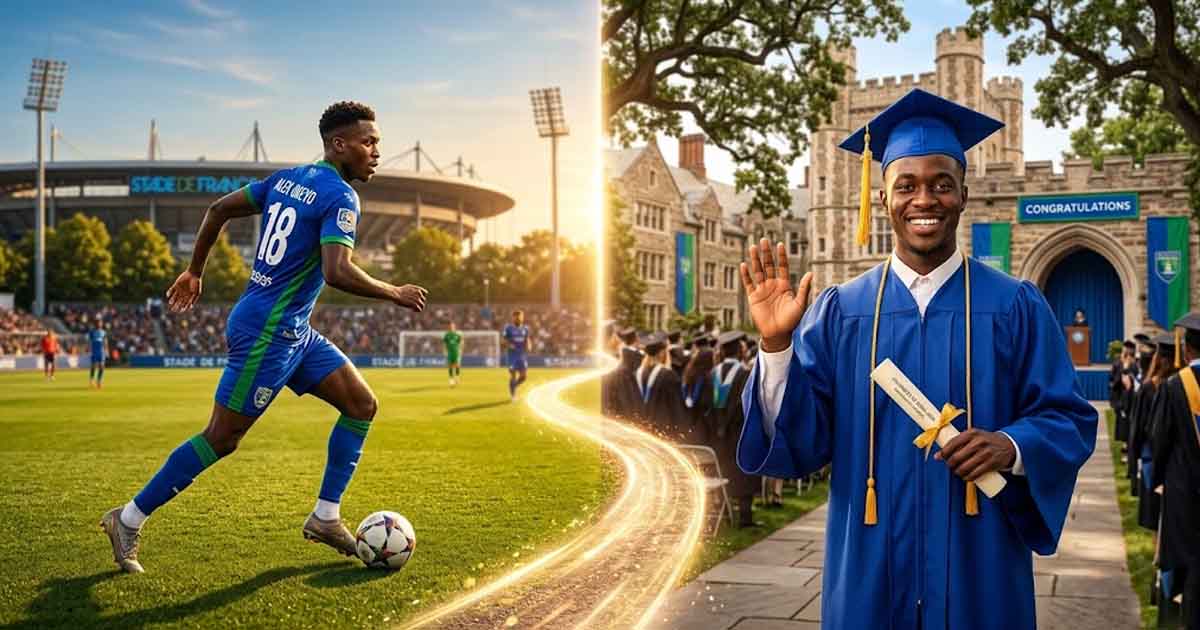
For talented athletes, sport represents far more than a competitive activity or a potential professional career. It is one of the most powerful and direct pathways to higher education available in the modern world — a pathway that has opened university doors for millions of students who would not have been able to access elite education through academic credentials alone.
This guide explains how to convert athletic talent into educational opportunity — both through the US scholarship system and through equivalent programs in other countries — and how to maximize the educational value of the college athletic experience regardless of what happens to the athletic career afterward.
The Value Equation: What a Scholarship Actually Provides
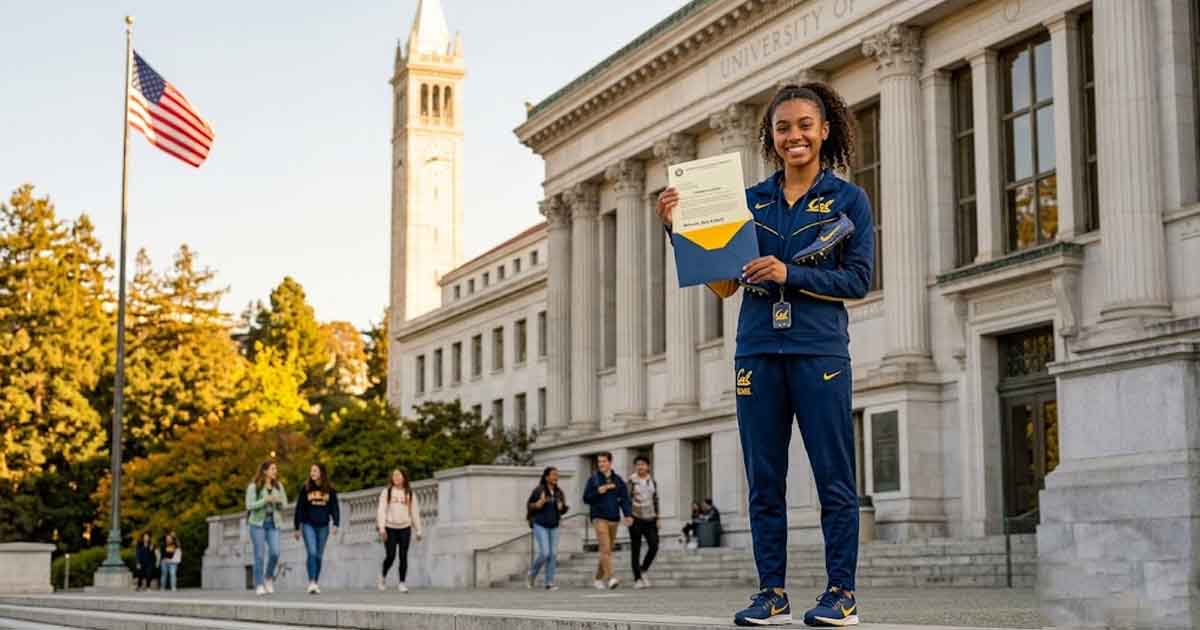
Before pursuing athletic scholarships, it is important to understand what they actually provide and what they require. A full Division I scholarship in the US covers tuition, room, board, and books — a package worth $40,000 to $70,000 per year at most institutions, and significantly more at elite private universities. Over four years, a full scholarship is worth $160,000 to $280,000 — a transformative financial benefit that enables access to education that would otherwise require either exceptional wealth or crushing debt.
What the scholarship requires in return is equally important to understand: participation in the athletic program, adherence to training and competition schedules that are equivalent to a part-time job, maintaining academic eligibility standards, and representing the institution in competition for the duration of the agreement. The commitment is real and significant — college athletic programs at the Division I level typically demand 20-30 hours per week of athletic-related activity during the season.
Sport as an Academic Achievement Booster
Beyond direct scholarship, athletic participation enhances academic opportunity in ways that are less well understood. Selective universities actively seek student-athletes because they bring demonstrable qualities — discipline, competitive drive, time management capability, and resilience — that predict academic success and positive contribution to campus culture. An athlete with average academic credentials who has demonstrated exceptional athletic achievement may receive more favorable admissions consideration at a selective institution than a non-athlete with identical academic credentials.
This dynamic operates not just in scholarship sports but in "non-revenue" sports — swimming, rowing, tennis, golf, lacrosse, and many others — where Ivy League and other selective universities that do not offer athletic scholarships nonetheless recruit athletes who provide competitive strength for their programs and who receive preferential admissions consideration in exchange for their commitment to participate in the sport during their university years.
Beyond the US: International Scholarship Opportunities
While the US system offers the most abundant athletic scholarship opportunities, equivalent programs exist in other countries. UK universities offer sports scholarships through individual institutions and through schemes like the Sports Aid Foundation. Australian universities provide athletic scholarship support through NSWIS, VIS, and similar state institute systems. Canadian universities offer athletic bursaries under the USPORTS framework. European football clubs provide educational pathway programs alongside their academy systems.
Each of these systems has its own structure, eligibility requirements, and application processes. For athletes who prefer not to pursue the full US college experience, investigating these alternatives can reveal opportunities that better fit geographic, linguistic, or educational preferences.
Building Skills for Life Beyond Sport
The most important advice for any athlete using sport to access education is to genuinely engage with the educational opportunity, not just to satisfy academic eligibility requirements. The vast majority of college athletes will not have professional athletic careers — even among Division I scholarship athletes in the highest-profile sports, fewer than 2% reach professional level. The college education accessed through the athletic scholarship is therefore typically the primary career-relevant qualification an athlete leaves college with.
Athletes who choose their major with genuine curiosity, build networks within their field of study alongside their athletic networks, pursue internships and research opportunities during their athletic career, and develop the professional identity that will serve them beyond sport leave college with an extraordinary foundation: the athletic qualities of discipline and competitive drive that made them scholarship athletes, combined with the educational credentials and professional development that will sustain a career for fifty years after the last game is played.








Add a Comment