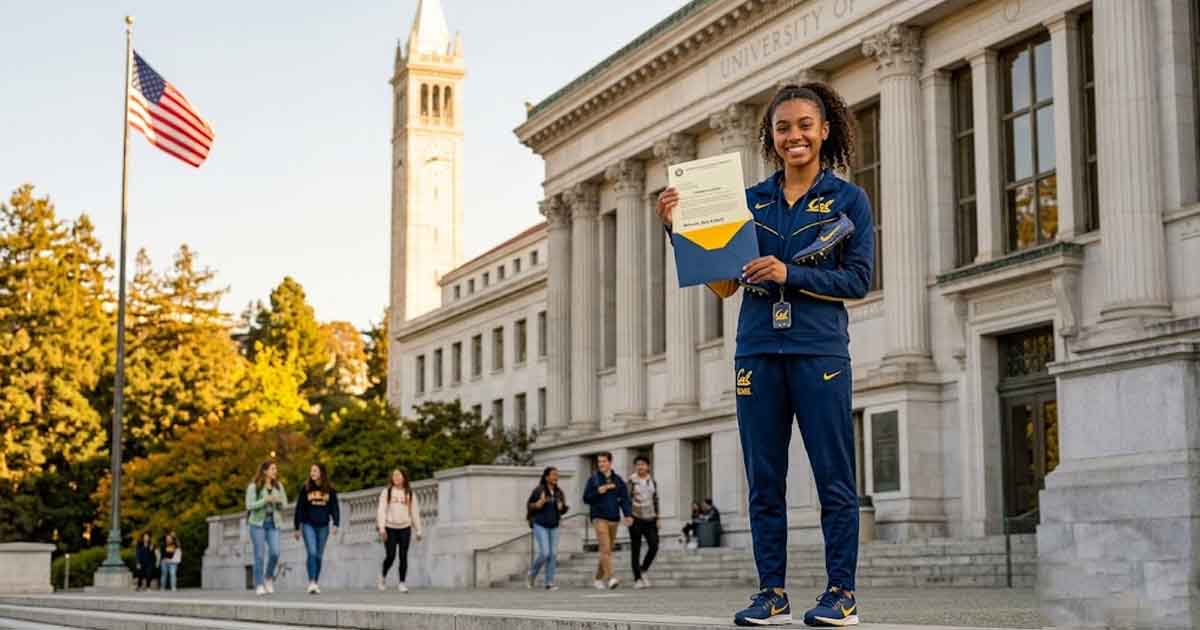
The United States offers more sports scholarship opportunities for talented athletes than any other country in the world. NCAA Division I and Division II schools collectively award approximately $3.6 billion in athletic scholarships each year, covering tuition, room, board, and books for qualifying student-athletes. For families facing six-figure annual costs of American university education, this represents an opportunity of extraordinary financial value — but one that requires knowledge, strategy, and commitment to access effectively.
Understanding the NCAA Scholarship System
The NCAA divides its member schools into three divisions based primarily on institutional size and available athletic budgets. Division I schools — the most prominent and well-funded — offer full and partial athletic scholarships across a wide range of sports. Division II schools offer partial scholarships across most sports. Division III schools do not offer athletic scholarships but may provide other forms of financial aid to student-athletes.
Within Division I, sports are categorized as either head-count sports — where each scholarship counts as a full grant-in-aid — or equivalency sports, where coaches can divide the available scholarship money across more athletes in partial amounts. Football (Bowl Subdivision) and basketball are head-count sports; baseball, soccer, and most other sports are equivalency sports. Understanding this distinction matters because it determines how coaches structure their offers.
The Recruitment Timeline: When to Start
The recruitment process for US college athletics begins earlier than most families expect. Serious recruitment contact with Division I coaches typically begins in the sophomore or junior year of high school (grades 10-11), but the groundwork — creating a recruiting profile, developing an athletic highlight video, identifying target schools — should begin in freshman year or even earlier for students aspiring to Division I athletic programs in highly competitive sports.
The NCAA has detailed rules governing when coaches can make contact with prospective student-athletes, with specific periods defined as "quiet periods," "contact periods," and "dead periods" during which different types of interaction are permitted or prohibited. Understanding these rules prevents inadvertent violations that could affect the student's eligibility.
Building Your Athletic Profile
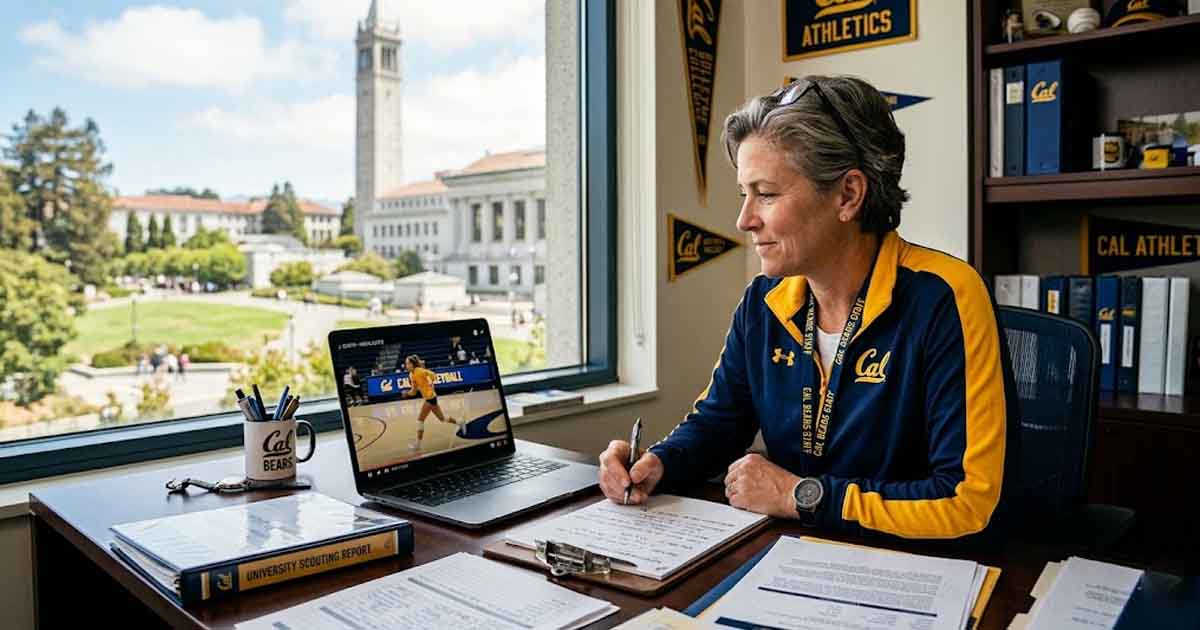
The first practical step is creating a compelling athletic recruiting profile. This should include: a highlight video of 3-5 minutes featuring your best competitive performances (the first 60 seconds are critical — coaches frequently decide whether to continue watching within the opening minute); your athletic statistics from competition; your academic transcript including GPA and standardized test scores; your coach's contact information for direct reference; and your competition schedule so coaches can attend events if they wish to evaluate you in person.
Academic performance is not secondary to athletic ability in the college recruitment process. NCAA academic eligibility requirements must be met — including a minimum GPA in core academic subjects and minimum standardized test scores — before any athletic scholarship can be accepted. Schools typically prefer to offer scholarships to students who can sustain academic standing throughout their four years, making academic achievement a genuine competitive advantage in the recruitment market.
Making Contact with Coaches
Proactive contact with coaches is essential. Waiting for coaches to find you is not a viable strategy for most student-athletes below the absolute elite level of their sport. The appropriate contact sequence begins with an email introducing yourself and expressing specific interest in the program, accompanied by your recruiting profile and a link to your highlight video. Follow-up communication — particularly updating coaches when you perform well at significant events — keeps you visible in a market where coaches are simultaneously evaluating dozens or hundreds of prospects.
The visit — both unofficial (self-funded, no limits on timing) and official (coach-funded, five permitted visits per student, regulated by NCAA rules) — is where recruitment decisions are typically finalized. The campus visit gives coaches an opportunity to evaluate you in person and allows you to assess whether the program, the team culture, and the academic environment are the right fit for your four years.
The National Letter of Intent and the Offer
When a school offers a scholarship, they will typically present the offer during a campus visit or via phone call before the formal signing period. The National Letter of Intent — signed by the student-athlete during designated signing periods — is the binding commitment that confirms enrollment at the school in exchange for the scholarship grant. Before signing, legal review of the scholarship terms, understanding of what happens to the scholarship in case of injury, and clarity about academic major flexibility are all important considerations.








Add a Comment