The Olympic Games generate the largest concentrated global audience of any recurring event — billions of viewers across the Summer Games' 16-day run, hundreds of millions engaging with the content across its full broadcast window. This audience concentration represents a communication and engagement opportunity that extends well beyond sport: the values, stories, and human experiences at the heart of Olympic competition can function as powerful educational catalysts if deliberately directed. The most sophisticated Olympic host city and IOC programmes in recent years have treated this potential seriously, developing educational initiatives that use the Games as a hook for sustained learning that extends far beyond the fortnight of competition itself.
The IOC's Education Framework: Get Set, Olympism in Action
The International Olympic Committee operates education programmes through its partnership with national Olympic committees that bring Olympic-themed educational content into school curricula in over 200 countries. The Get Set programme, developed in partnership with successive UK Olympic host legacy organisations, created curriculum-linked educational materials across subjects including science (the sports science of athletic performance), mathematics (measurement, statistics, data from athletic results), geography (the countries and cultures of Olympic athletes), and physical education (sport participation linked to Olympic values). The programme reached millions of students during the London 2012 cycle and continued as a model for subsequent Games.
The IOC's broader Olympism in Action platform — launched in the Tokyo 2020 Games period — represents the most recent evolution of Olympic educational programming. The platform provides free educational resources for teachers and students globally, covering Olympic values (excellence, respect, friendship), athlete stories from diverse cultural and national backgrounds, and sports participation content designed for classroom and community use. The reach of digital distribution means this content is accessible in countries that will never host the Games and communities far from any Olympic venue — addressing the geographic limitation that has historically constrained Olympic educational impact to host nation audiences.
Host City Education Legacies
The most durable educational legacies of Olympic Games are those that embed investment in physical education infrastructure, teaching capacity, and sport participation culture in ways that persist after the athletes and broadcasters have departed. The London 2012 legacy programme — driven by explicit commitments in the bid and delivery documents — produced measurable increases in youth sport participation in the year following the Games, supported by investment in school PE facilities, teacher training, and school sport partnerships. The research on "Olympics effect" in host communities consistently shows temporary spikes in sport participation and athletic aspiration that fade within 18-24 months unless sustained by infrastructure investment — a finding that has driven subsequent hosts to embed infrastructure investment as the core of their education and participation legacies.
Paris 2024 introduced a specific educational initiative — the Paris 2024 school programme — that involved thousands of French schools in Games-related activities across science, culture, art, and sport, with teacher resources developed in partnership with the French Ministry of Education. The programme was notable for its explicit integration with academic curriculum objectives rather than treating Olympic education as extracurricular, making sustained teacher engagement more achievable than programmes requiring additional instructional time.
LA 2028: The US Education Opportunity
The Los Angeles 2028 Games represent a significant educational opportunity in the United States, where the fragmented school sport system and declining physical education provision in many districts creates a context where Olympic-linked investment and curriculum integration could have meaningful impact. The LA28 organising committee has committed to education programmes targeting underserved school communities in the greater Los Angeles area, with specific focus on using the Games to increase access to sport and physical activity in communities where participation rates are lowest. The scale of the US educational market and the visibility of the LA Games creates an unusual opportunity for Olympic educational programming to reach audiences far larger than previous host cities — if the programming is developed with sufficient investment and curriculum integration to reach beyond temporary inspiration to sustained engagement.
The Athlete as Educator
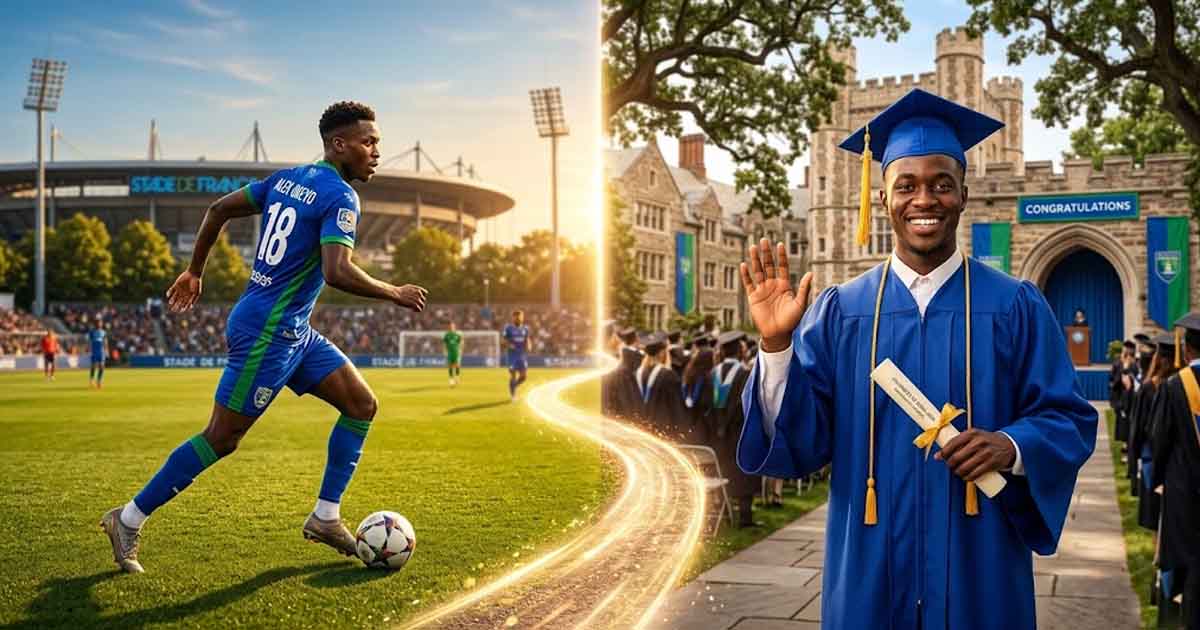
The most effective educational content generated around the Olympic Games in the social media era comes not from official programmes but from athletes themselves: behind-the-scenes training content, explanations of the specific skills required for their sport, personal stories of the journey from participation to elite competition, and authentic representation of the diversity of backgrounds, cultures, and routes to Olympic competition. This athlete-generated content reaches student audiences more effectively than curriculum materials because it is delivered in the formats and through the platforms those audiences already engage with. The IOC and host cities that have most effectively leveraged this content have treated athlete digital output as a partner resource to amplify rather than a parallel communication channel to compete with — collaborating with athletes to direct their authentic content toward educational objectives rather than attempting to create separate official educational content that competes for the same audience attention.




Add a Comment