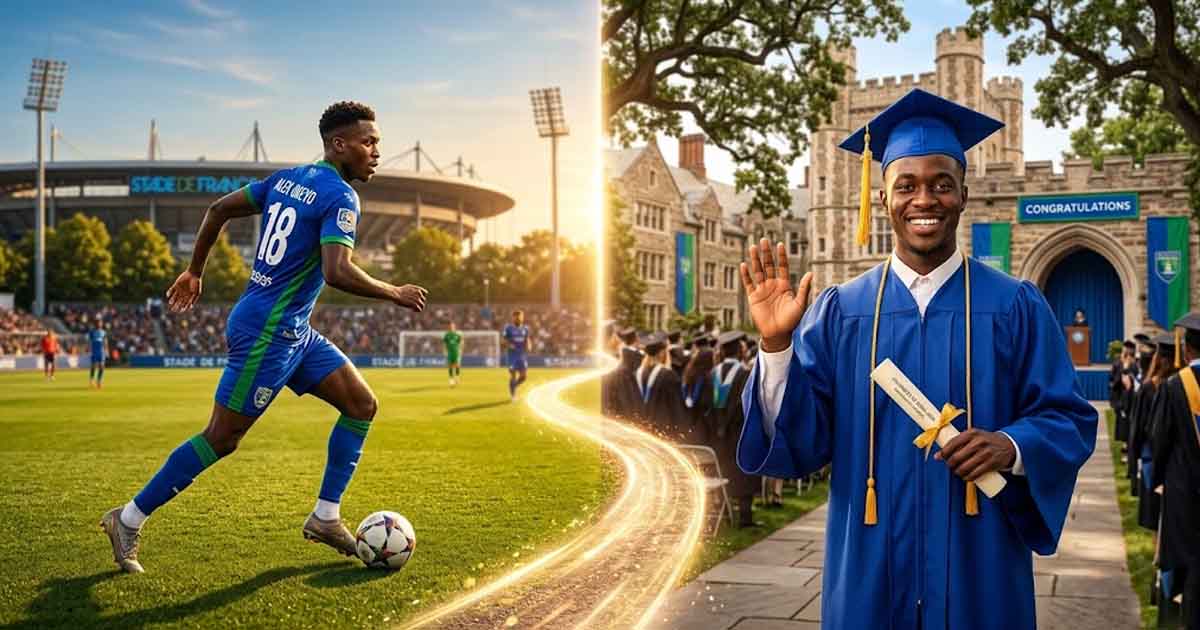
Paralympic sport has achieved unprecedented visibility over the past decade — broadcast audiences that rival Olympic competition in some national markets, commercial sponsorship at levels that would have seemed impossible in the early 2000s, and a social narrative around para-athlete performance that celebrates athletic excellence rather than focusing on disability. Despite these positive developments, one area where the progression has been slower than para-sport's cultural profile suggests is educational opportunity: athletic scholarships specifically available to para-athletes remain significantly less developed than equivalent opportunities for non-disabled athletes, creating an access gap that has begun to attract serious attention from universities, governing bodies, and equality advocates.
The Current State of Para-Athlete Scholarship Funding
The US NCAA system — the largest source of athletic scholarship funding globally — does not currently have a dedicated para-athlete scholarship category equivalent to its mainstream sport scholarship system. Individual universities with para-sport programmes do provide athletic scholarship support to some para-athletes, but the availability is inconsistent, the amounts vary significantly between institutions, and the recruiting process is less systematised than mainstream athletic recruiting. The National Wheelchair Basketball Association (NWBA), US Paralympics, and individual disability sport organisations provide some scholarship and educational support funding, but the total is modest relative to the mainstream athletic scholarship market.
The UK model for para-athlete educational support is delivered primarily through UK Sport's World Class Programme funding — which provides direct athlete support payments to elite para-athletes on national programmes — and through individual university athletic scholarship programmes that have made specific commitments to para-athlete inclusion. Loughborough University, Bath, and Birmingham — the UK's leading sport universities — have para-sport scholarship programmes that provide para-athletes with comparable support to their non-disabled counterparts on scholarship. The model these institutions demonstrate — that para-athlete inclusion in athletic scholarship programmes is operationally achievable and commercially beneficial through the positive institutional association it provides — has begun to be replicated at other institutions.
International Para-Sport Scholarship Programmes
Several national and international programmes specifically target para-athlete educational access. The International Paralympic Committee's scholarship programme provides educational support to para-athletes from developing nations who would otherwise have no access to higher education funding. The programme is deliberately targeted at athletes from the least developed nations in the Paralympic movement, where the combination of para-athlete status and economic disadvantage creates the most acute educational access barriers. While the total funding is modest relative to the need, the programme has a documented track record of supporting athletes who have gone on to both high performance in para-sport and significant post-education careers in sport and community development.
Australia's Para-athlete Scholarship Framework — operated through the Australian Institute of Sport and state institutes — provides comprehensive support to elite para-athletes that includes educational funding and academic flexibility alongside training support, medical services, and performance science. The Australian model is notable for treating para-athlete educational support as a standard component of high-performance athletic support rather than a specialist add-on, normalising the dual career for para-athletes in the same framework applied to non-disabled athletes.
Classification and Scholarship Eligibility
The classification system in Paralympic sport — which assigns athletes to competition categories based on the functional impact of their impairment — creates specific considerations in para-athlete scholarship contexts. Universities and scholarship programmes need to understand classification to evaluate para-athlete competitive level, and the classification process itself — which requires specialist evaluation by classifiers approved by international federations — creates a bureaucratic requirement that some prospective para-athlete scholarship recipients have not yet completed. Para-athletes pursuing educational scholarships should ensure their current classification documentation is complete and current, as this documentation is typically required by scholarship programmes and university athletics administrators who are less familiar with para-sport classification than with mainstream sport competitive level assessment.
What Needs to Change
The most significant changes needed to close the para-athlete scholarship gap are structural rather than merely financial. NCAA framework expansion to recognise para-sport as an eligible scholarship sport — creating the same systematic scholarship infrastructure for para-athletes that exists for non-disabled athletes — would be the single most impactful structural change in the US context. Several disability sport advocacy organisations and congressional supporters have raised this proposal, and the growth of collegiate para-sport participation makes the administrative framework for such expansion more viable than it would have been a decade ago. In European university systems, equal treatment principles embedded in disability rights frameworks provide legal hooks for para-athlete scholarship advocates that have produced progress at individual institutions and, in some jurisdictions, sector-wide policy development. The trajectory — more para-athletes competing at university level, more institutions offering specific para-sport scholarship support, more governing body advocacy for structural equality — is positive, even as the pace remains slower than para-sport's cultural progress suggests it should be.




Add a Comment