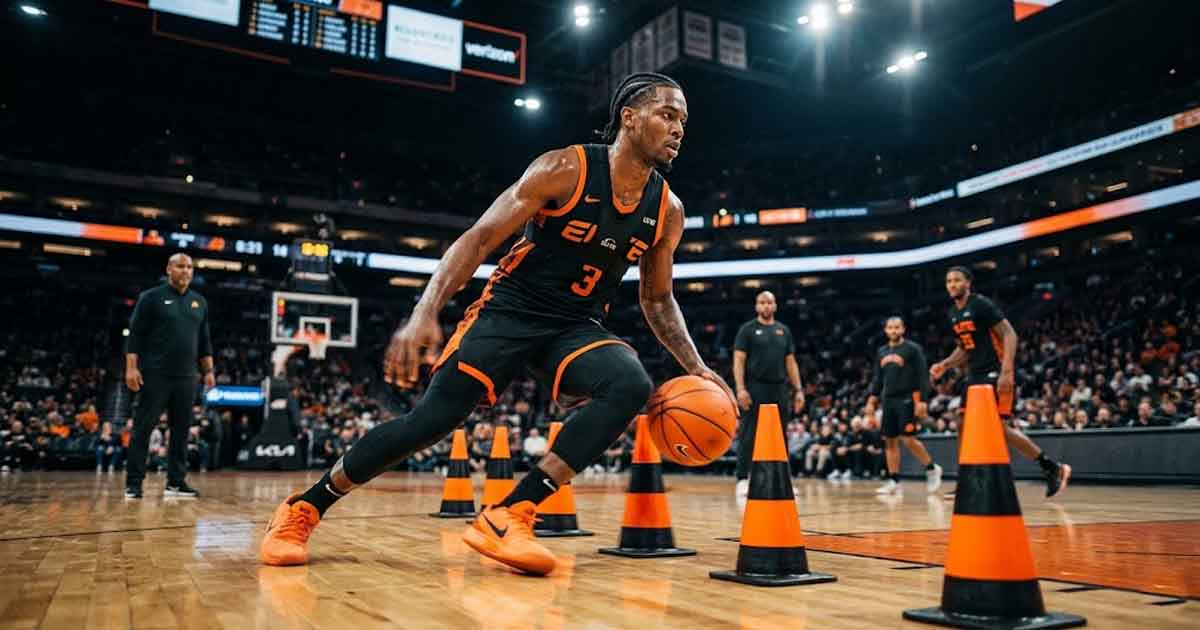
The guard position in basketball — encompassing both point guards and shooting guards — demands a unique combination of physical and technical qualities. Guards must possess elite first-step quickness, the change-of-direction agility to navigate defensive pressure in tight spaces, the sprint speed to attack open lanes, and the physical endurance to sustain these qualities across 35-40 minutes of intense basketball. Simultaneously, they must maintain the fine motor precision required for accurate shooting under fatigue and defensive pressure.
This comprehensive guard training program addresses all of these demands through a structured approach to speed development, agility training, and shooting mechanics that translates directly to game performance.
First-Step Quickness: The Guard's Most Valuable Asset
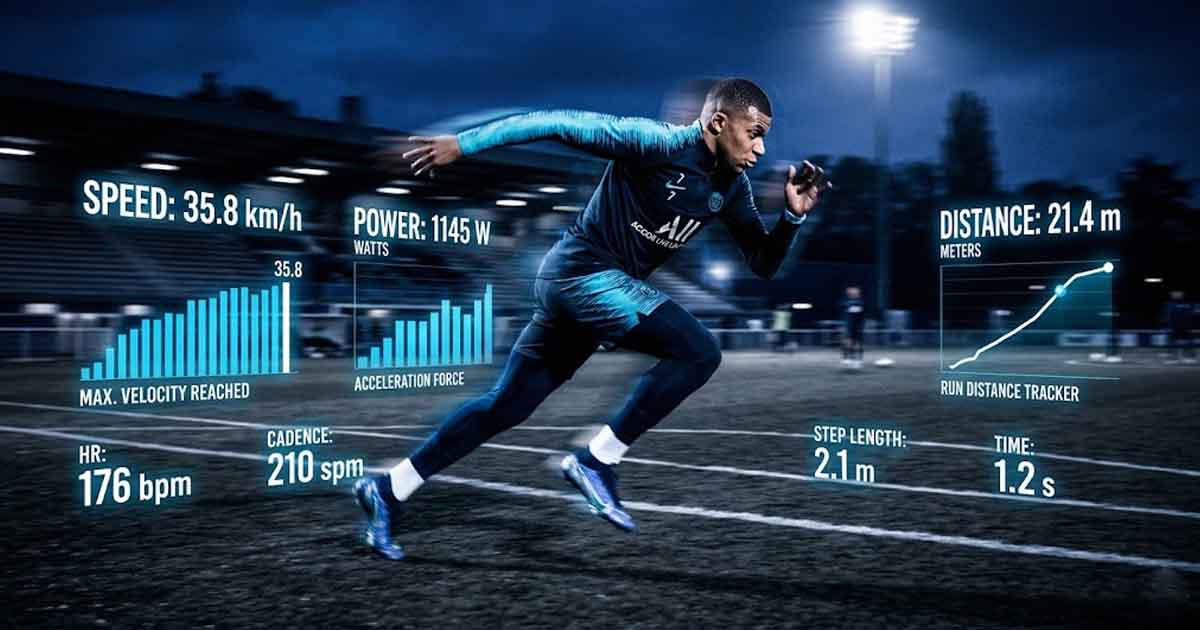
In basketball, the most important athletic quality for a guard is first-step quickness — the ability to explosively initiate movement from a stationary or near-stationary position. This quality determines whether a guard can consistently create separation from their defender off the dribble, whether they can close out on perimeter shooters quickly enough to contest shots, and whether they can beat the defense in transition before it can recover.
First-step quickness is developed through a combination of reactive agility training, explosive strength development, and sprint acceleration mechanics work. Reactive agility drills — where the athlete responds to unpredictable directional cues rather than executing pre-planned movements — most closely replicate the cognitive-motor demands of basketball, where defensive positioning determines offensive options in real time. Cone drills, mirror drills with a partner, and light reaction stimulus drills all develop this reactive quality.
Change of Direction: The Lateral Quickness Foundation
Lateral quickness — the ability to accelerate, decelerate, and reaccelerate in multiple directions — is the foundational athletic quality of the guard position. On offense, it enables the guard to navigate defensive pressure with the basketball. On defense, it allows guards to stay in front of quick perimeter players. Developing lateral quickness requires both physical conditioning and technical skill in the mechanics of change of direction.
Technically efficient cutting involves a low defensive stance that minimizes the time required to initiate lateral movement, a penultimate braking step that redirects momentum into the new direction, and arm drive that coordinates with lower-body direction change to maximize acceleration. Drills including defensive shuffles, lateral cone weaves, and 5-10-5 shuttle runs develop these technical and physical qualities simultaneously.
Shooting Under Fatigue: The Critical Variable
The ability to maintain shooting accuracy under fatigue is the technical quality that most separates good shooting guards from elite ones. The best shooters in professional basketball can hit open jump shots and three-pointers at high percentages after sprinting the length of the court, because their shooting mechanics are so deeply automatic that they are minimally disrupted by the physiological effects of effort and fatigue.
Training shooting under fatigue requires structuring shooting drills to follow physical exertion. Sprint the length of the court, then immediately execute a catch-and-shoot three. Complete a 15-second shuttle run, then catch and shoot from the elbow. The progression should move from familiar shooting spots after moderate exertion toward contested catch-and-shoot situations after high-intensity activity, as the player's conditioning improves and their mechanics become more robust under stress.
Ball Handling: Pressure-Proofing the Dribble
Guard ball handling training must emphasize performance under defensive pressure rather than isolated stationary dribbling. While cone dribbling drills develop basic handling skills, they do not replicate the perceptual and physical pressure of live defenders. Progressive ball handling training should move from stationary technical work to moving work, then to decision-making with defender pressure, and finally to live scrimmage situations where handling is tested against competitive resistance.

Add a Comment