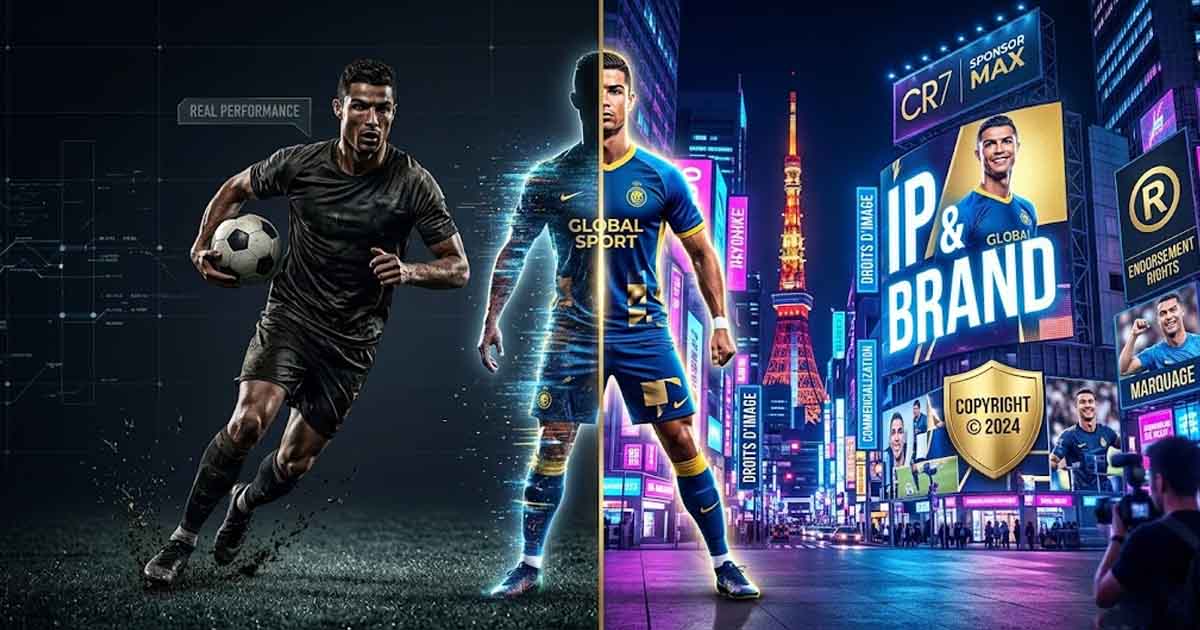
In the modern sports economy, an athlete's image can be worth more than their playing contract. Cristiano Ronaldo's Instagram posts generate more advertising value than many television campaigns. LeBron James's personal brand extends across media, entertainment, and technology. The commercial value of an elite athlete's name, likeness, voice, and persona has become a primary financial asset — one that requires sophisticated legal protection.
Image rights law is the body of legal doctrine that governs how athletes control and commercialize this asset. It sits at the intersection of intellectual property law, contract law, tax law, and increasingly, digital media law. Understanding it is essential for any professional athlete, agent, or club operating at the top level of sport.
What Are Image Rights?
Image rights refer to the legal rights that an individual has in their own name, likeness, image, signature, voice, and persona for commercial purposes. Unlike copyright, which protects creative works, or trademark, which protects brand identifiers, image rights are a more personal form of intellectual property that exists at the intersection of privacy law and commercial rights.
The legal status of image rights varies significantly between jurisdictions. In the United States, the right of publicity — the legal foundation of image rights — is governed at the state level, with California and New York having the most developed frameworks. In the UK, there is no specific image rights statute, so protection is assembled from a patchwork of passing off law, trademark registration, contract law, and data protection regulation.
How Athletes Structure Image Rights Commercially
Most elite athletes structure their image rights through a separate legal entity — typically a company or a trust — rather than receiving image rights payments directly as personal income. This structure serves multiple purposes. It provides limited liability protection, enables more flexible commercial arrangements with brand partners, and in many jurisdictions offers more favorable tax treatment than direct personal income.
The image rights company enters into commercial licensing agreements with brands, clubs, and media companies, licensing the athlete's image for specific purposes, territories, and time periods. The licensing fee paid to the company is then distributed to the athlete through dividends, salary, or other corporate mechanisms, depending on the tax optimization strategy in place.
Club Contracts and Image Rights
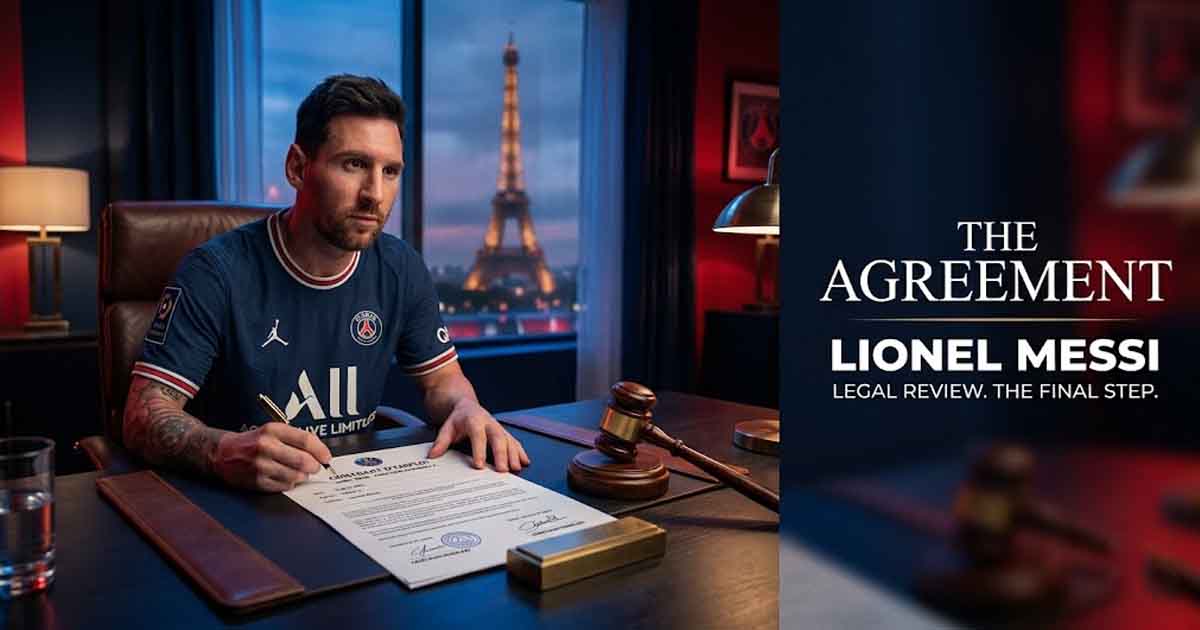
Professional sports clubs are themselves major exploiters of athlete image rights — they use players' likenesses in kit sales, advertising campaigns, social media, and broadcast content. The allocation of image rights between the club and the player is therefore a critical element of every professional sports contract negotiation.
A standard clause might give the club the right to use the player's image for club-related commercial purposes while preserving the player's right to independently exploit their image through personal sponsorship deals. In high-profile cases — particularly for marquee signings — the allocation can be more complex, with the club paying an additional fee for enhanced image rights usage.
Enforcement: What Happens When Image Rights Are Infringed?
When an athlete's image is used without authorization — in an advertisement, on merchandise, or in media content — the legal remedies depend on the jurisdiction and the specific nature of the infringement. Remedies typically include injunctions to stop the unauthorized use, an account of profits made from the infringement, and damages compensating the athlete for lost licensing fees.
Digital infringement has become the most common challenge in modern image rights enforcement. Social media platforms, websites, and apps regularly use athlete images without authorization, often hiding behind user-generated content exemptions. Athletes and their legal teams increasingly rely on takedown procedures, platform terms of service enforcement, and direct legal action to protect their digital image rights.


Add a Comment