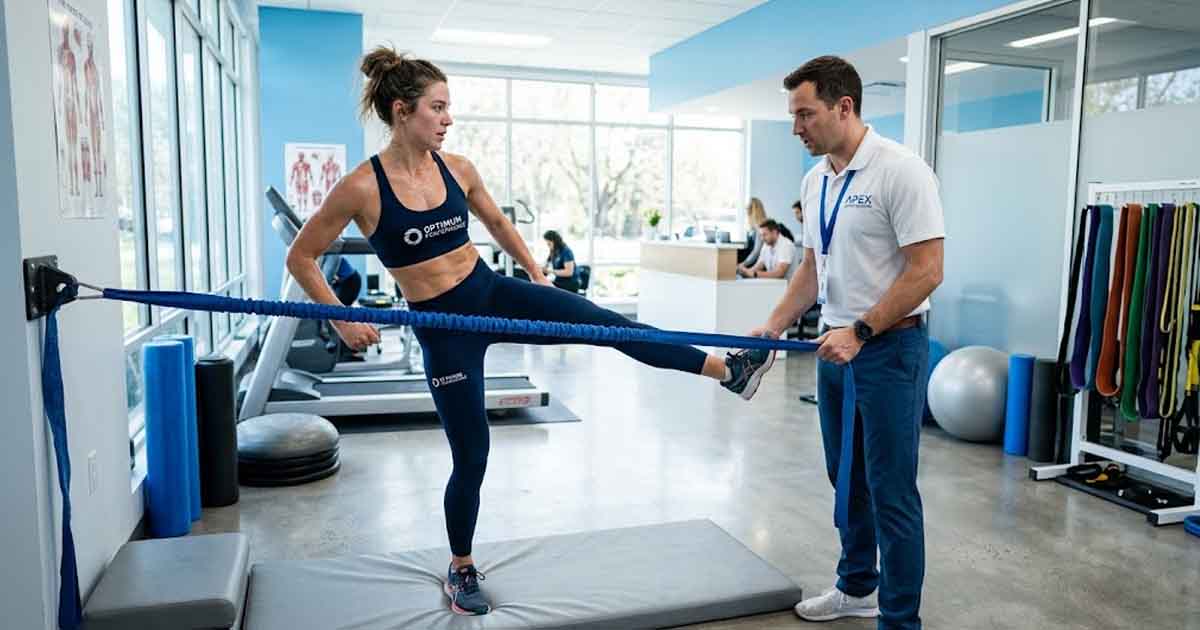
Knee surgery is one of the most common medical procedures in professional sport. From ACL reconstructions and meniscal repairs to cartilage transplants and total knee replacements at the end of long careers, the knee is the joint most frequently operated on in athletes across every major sport. Understanding the recovery process — what happens surgically, what rehabilitation involves, and what realistic return-to-play timelines look like — is essential context for following the careers of injured athletes and understanding the decisions their medical teams make.
The Most Common Knee Surgeries in Professional Sport
ACL reconstruction is the most frequently discussed knee surgery in sport, but it is far from the only one. Meniscal injuries — tears to the cartilaginous discs that cushion and stabilize the knee joint — are equally common and can be repaired (meniscal repair) or partially removed (meniscectomy) depending on the location and severity of the tear. Cartilage damage — chondral lesions — requires more complex interventions including microfracture surgery, autologous chondrocyte implantation, or osteochondral transplantation.
Patellar tendon injuries — including both partial tears and complete ruptures — are severe and carry long rehabilitation timelines. Collateral ligament injuries (MCL and LCL) are often managed conservatively without surgery, but severe combined ligament injuries may require reconstruction of multiple structures simultaneously — the most challenging and lengthy rehabilitations in knee surgery.
The Immediate Post-Surgical Period
The first 48 to 72 hours following knee surgery focus on managing pain and controlling the post-operative inflammatory response. Ice, compression, elevation, and appropriate analgesia are the foundational interventions. Physiotherapy typically begins within 24 hours of surgery with gentle range-of-motion exercises and quadriceps activation to prevent the rapid muscle atrophy that follows immobilization.
Early weight-bearing — walking with crutches within days of surgery — is now standard for most knee procedures, having replaced the prolonged immobilization that characterized knee surgery management in previous decades. The evidence base strongly supports early mobilization as reducing complications, accelerating recovery, and improving long-term outcomes for most knee procedures.
The Middle Phase: Building Strength and Movement Quality
Weeks three through twelve post-surgery represent the phase of most intensive rehabilitation for most knee procedures. Physiotherapy sessions focus on restoring and then exceeding the pre-injury strength baseline, with particular attention to the quadriceps — the muscle most severely affected by knee immobilization and surgery — and the hamstrings, which provide critical dynamic stability to the knee during sporting movement.
Professional athletes have access to resources unavailable to recreational patients: physiotherapy sessions multiple times daily, aquatic rehabilitation in specialized hydrotherapy pools, blood flow restriction training to maintain muscle mass during non-weight-bearing phases, and neuromuscular electrical stimulation to activate muscles that are difficult to contract voluntarily in the early post-operative period.
Return to Sport: Science, Not Sentiment
The decision about when an athlete is ready to return to competitive sport is one of the most consequential in sports medicine. Return too early, and re-injury risk is dramatically elevated. Return too late, and the athlete loses competitive fitness and psychological sharpness. The evidence base increasingly supports a criterion-based rather than time-based approach to return-to-sport decisions.
Standard return-to-sport criteria include: limb symmetry index of 90% or above on strength testing; successful completion of sport-specific movement assessments; psychological readiness scores on validated questionnaires; and a graduated return-to-training program with incremental load increases over several weeks before full competitive exposure. Teams and athletes who follow these criteria consistently report better outcomes than those who rely on time-from-surgery calendars alone.


Add a Comment