Two runners with identical VO2 max values will not perform identically in a race. Sometimes the performance difference is large — runners with the same aerobic ceiling finishing minutes apart at a marathon. The variable that explains this divergence is running economy: the oxygen cost of sustaining a given running speed. A runner with better economy uses less oxygen to maintain any given pace — and therefore can sustain faster speeds at the same fractional VO2 max, or sustain competition pace for longer before reaching their aerobic limit. Understanding running economy — what determines it, what training improves it, and how equipment affects it — is essential for any runner seeking to improve performance beyond what aerobic fitness development alone can achieve.
What Determines Running Economy?
Running economy is a complex, multifactorial outcome determined by the interaction of biomechanical, physiological, and neuromuscular characteristics. The key determinants identified by research include: ground contact time (less time on the ground is more economical); vertical oscillation (less vertical movement per stride reduces energy wasted on non-propulsive displacement); leg stiffness (stiffer legs return more energy through elastic recoil and reduce the muscular work required per stride); and cadence relative to optimal self-selected pace (running at significantly below or above optimal cadence reduces economy).
Anthropometric characteristics matter: lower limb mass distribution, with relatively lighter distal segments (less mass in the foot and lower leg), reduces the cost of swinging the leg during the flight phase and is associated with better running economy. This is a largely genetic characteristic, though training-induced muscle hypertrophy patterns can modestly affect distal limb mass over time.
Neuromuscular stiffness and the ability to store and release elastic energy through the Achilles tendon and plantar fascia contribute substantially to running economy. Runners who effectively utilise the spring-mass mechanism — treating the leg as a spring that loads during ground contact and releases energy during push-off — are more economical than those who absorb and dissipate the same mechanical energy through muscular work. Plyometric training that improves leg stiffness and elastic energy utilisation is one of the most evidence-supported methods for improving running economy in trained runners.
Training Methods That Improve Running Economy
Several training modalities have documented effects on running economy independent of VO2 max improvements.
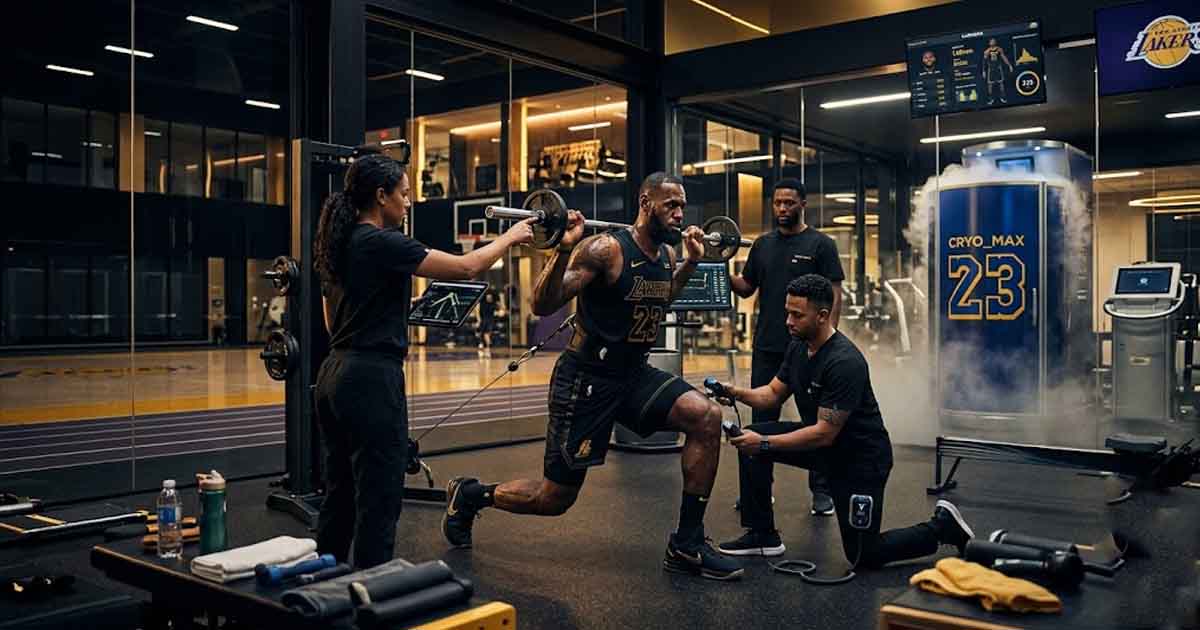
Strength training is the most consistently supported running economy intervention in the research literature. Studies across multiple populations and training durations consistently demonstrate that heavy resistance training — particularly exercises emphasising the posterior chain (hip hinge patterns, Romanian deadlifts, single-leg exercises) and explosive lower body power development — improves running economy by 2-8% in trained runners. The mechanism involves improvements in leg stiffness, neuromuscular coordination, and the rate of force development that affect ground contact time and elastic energy storage. Critically, these improvements in running economy are achieved without changes in body mass that would confound the measurement — the economy gain is genuinely a neural and mechanical adaptation.
Plyometric training — jump and bound exercises that train the elastic energy storage and release mechanism — produces running economy improvements through similar neuromuscular pathways. The combination of heavy strength training and plyometric training in a concurrent programme has additive effects on running economy that exceed either approach alone in most research. The practical prescription — 2 sessions per week of lower body strength work plus plyometrics, maintained year-round as a component of the runner's training programme — is achievable within typical runner training schedules and produces meaningful performance benefits.
The Footwear Revolution: Carbon-Fibre Plates and Running Economy
The introduction of thick-stack midsole running shoes incorporating carbon-fibre plates — most prominently the Nike Vaporfly series, followed by equivalents from every major manufacturer — produced documented improvements in running economy of approximately 4% compared to conventional racing flats when first introduced. The mechanism combines the energy return properties of the foam midsole with the leverage effect of the stiff carbon plate on toe-off mechanics. These improvements have been independently replicated across multiple research groups and are now accepted as robust. World marathon records have been broken repeatedly since the technology was introduced. The performance effect is real and significant — larger than any training intervention that produces economy improvements in trained runners over typical training periods. The ongoing debate about these shoes concerns sporting fairness and the appropriate regulation of equipment advantages, not the size of the performance benefit.
Monitoring Running Economy
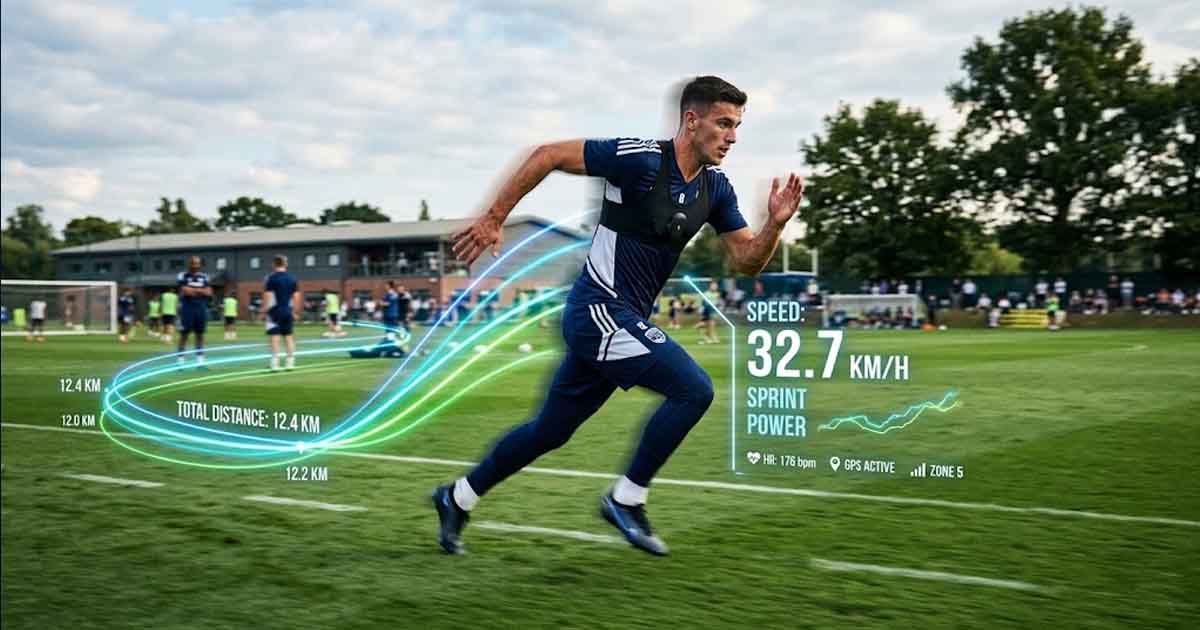
Running economy can be precisely measured in a laboratory using metabolic carts that measure oxygen consumption at standardised speeds. This measurement is the gold standard but is expensive and requires specialist equipment. Field proxies — the pace-to-heart rate ratio at standardised conditions, tracked over time — provide a practical running economy indicator that any runner with a heart rate monitor can track. Improving pace at a given heart rate (or reducing heart rate at a given pace), when measured consistently under standardised conditions (same route, similar temperature, same time of day), indicates improving running economy and is a useful training outcome metric that captures adaptation independently of VO2 max gains.



Add a Comment