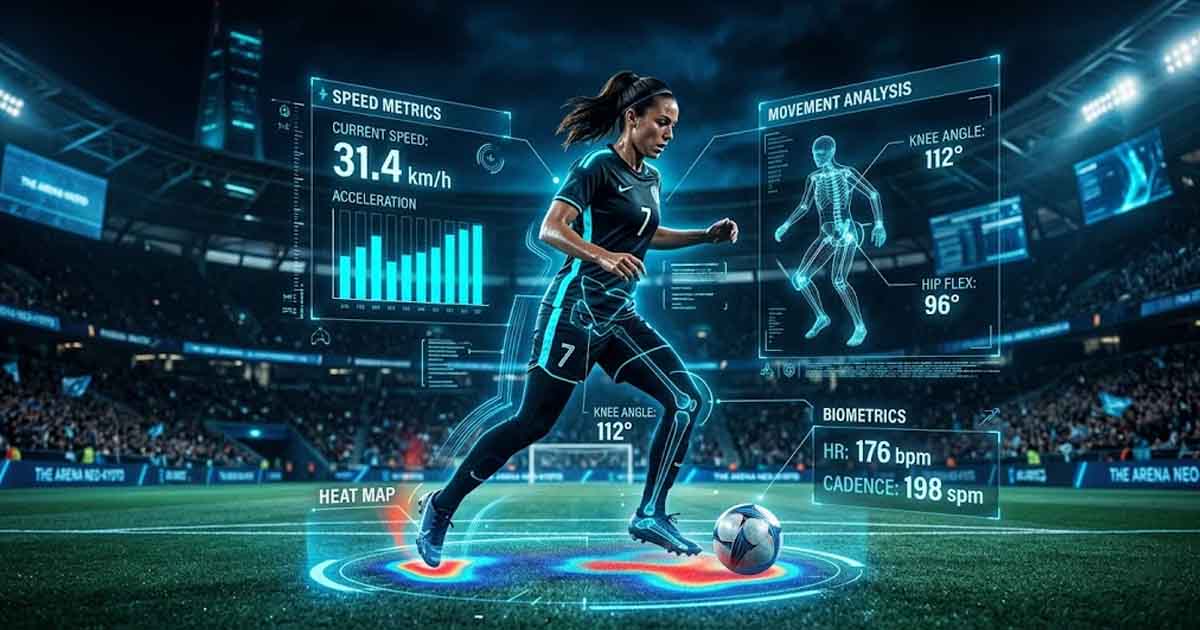
In 2026, artificial intelligence has moved from sports technology's most exciting promise to its most consequential reality. Across professional football, basketball, athletics, tennis, and virtually every other major competitive discipline, AI-powered systems are transforming how athletes train, how coaches make decisions, and how clubs manage the physical development of their most valuable assets.
The change has been rapid. Five years ago, the most sophisticated clubs were using GPS tracking and video analysis as their primary technology tools. Today, those same clubs are deploying systems that can predict injury risk from biomechanical data, personalize training loads in real time based on individual physiological responses, analyze tactical patterns in microseconds, and even assess athlete psychological state from voice and facial expression analysis. The frontier of AI in sport is moving faster than most institutions can fully absorb.
Predictive Injury Prevention: The Holy Grail
The most commercially valuable application of AI in professional sport is predictive injury prevention — the ability to identify, in advance, when an athlete's body is approaching a state of elevated injury risk. The financial stakes are extraordinary: a single serious injury to a key player can cost a club tens of millions of euros in lost performance value, medical expenses, and transfer market adjustment costs.
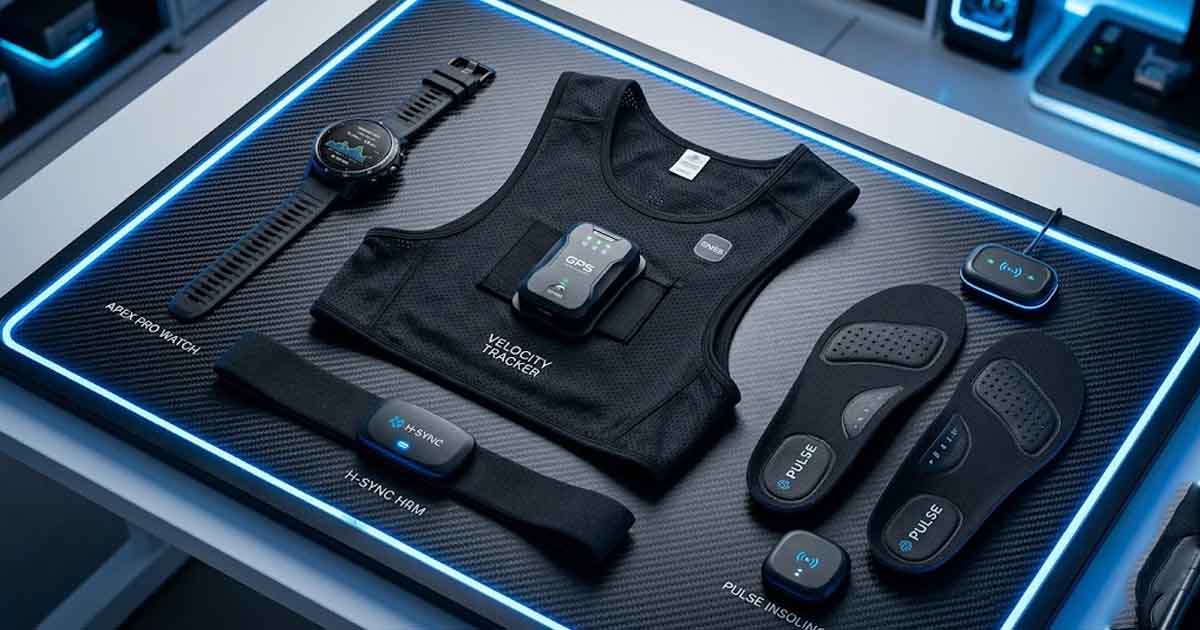
AI injury prediction systems work by combining data streams from multiple sources — GPS tracking data capturing movement loads, physiological monitoring from wearable devices tracking heart rate variability and recovery metrics, biomechanical analysis identifying movement pattern changes associated with fatigue, and training load history establishing each athlete's individual tolerance thresholds. Machine learning algorithms trained on historical injury data identify patterns that precede injury onset, generating risk scores for each athlete updated continuously throughout the training day.
The systems are not infallible — no predictive technology operates with 100% accuracy on biological systems — but clubs that have implemented comprehensive AI injury prediction programs report meaningful reductions in injury incidence rates compared to pre-implementation baselines. The return on investment, even at the considerable cost of deploying and maintaining these systems, is clear.
Computer Vision and Movement Analysis
Computer vision systems — AI models trained to analyze video footage and extract movement data — have democratized biomechanical analysis that previously required expensive laboratory equipment and extended assessment sessions. Modern computer vision platforms can analyze an athlete's movement patterns from standard video footage captured during training or competition, identifying biomechanical markers associated with injury risk, technical efficiency, or tactical positioning.
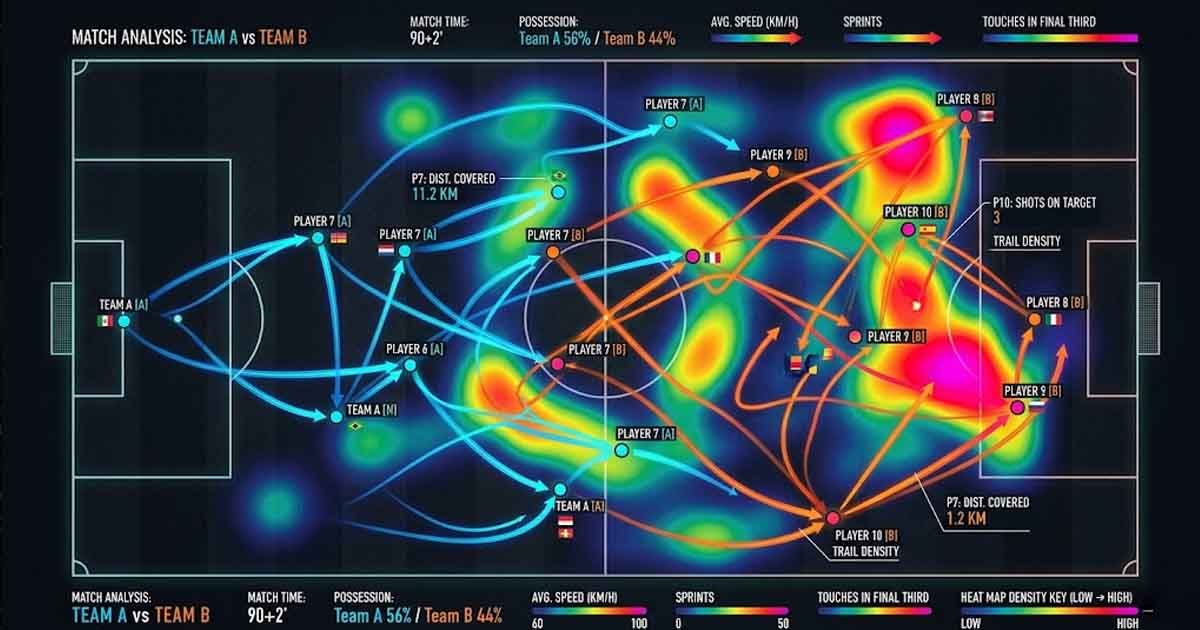
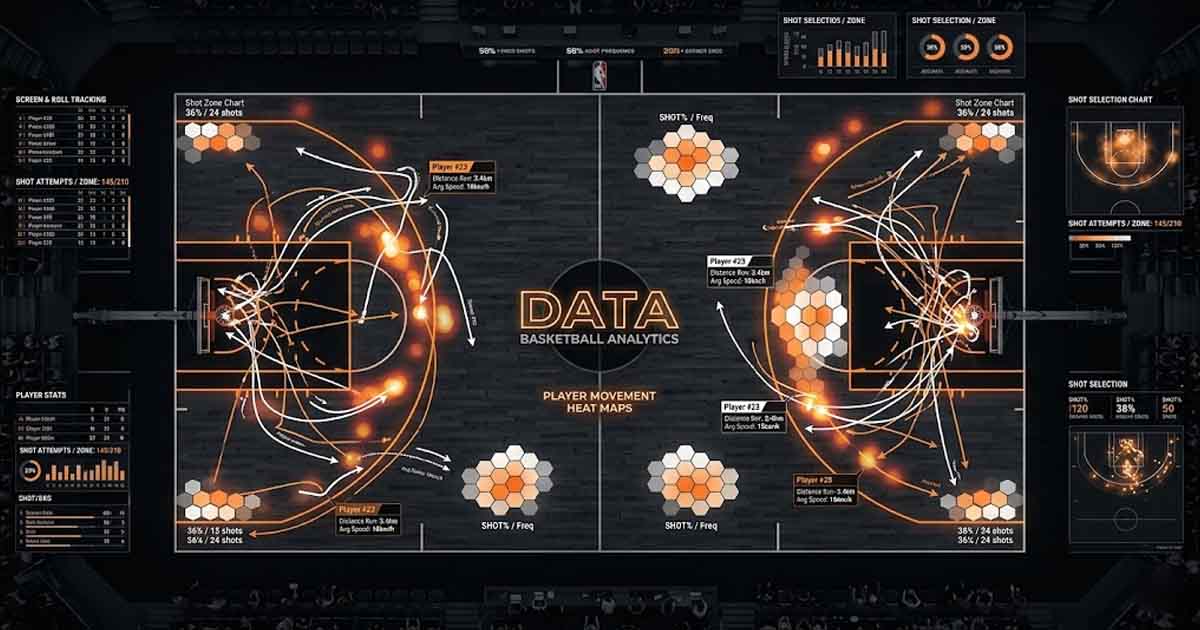
In football, computer vision is used to track every player's position and movement across the entire pitch simultaneously, generating spatial data that enables entirely new forms of tactical analysis. Coaches can now visualize how defensive structures respond to specific attacking patterns, identify the physical space generated by pressing triggers, and quantify the effectiveness of individual players in creating or destroying spatial advantages for their team.
Personalized Training Loads: The End of One-Size-Fits-All
One of the most practical and immediate benefits of AI in athletic training is the ability to genuinely personalize training loads at the individual level. Traditional periodization approaches necessarily applied similar training structures to all members of a squad, adjusting for obvious individual differences but unable to account for the full complexity of each athlete's physiological response to specific training stimuli.
AI-driven load management systems process each athlete's historical training and recovery data to build individualized models of how that specific athlete responds to different types, volumes, and intensities of training. The system then recommends personalized daily training loads that maximize adaptation while staying within injury risk tolerance — a genuinely individualized training prescription that previous generations of coaches could only approximate through experience and intuition.
The Ethical Dimension: Data, Consent, and Privacy
The deployment of comprehensive athlete monitoring systems raises important ethical questions that the sports technology community is only beginning to address systematically. Athletes whose physiological, psychological, and biomechanical data is continuously collected and analyzed have legitimate questions about who owns that data, how it is used, who has access to it, and what protections exist against its misuse.
Player associations in multiple sports have begun negotiating collective agreements that address data rights, requiring informed consent for monitoring beyond specified parameters and restricting the use of athlete data for purposes beyond performance optimization. As AI systems become more sophisticated and the data they collect more intimate, these governance questions will become increasingly central to the relationship between athletes and the institutions they work within.






Add a Comment