When a professional esports organisation hired its first full-time sports scientist in 2018, the appointment was treated as a curiosity by traditional sports media. In 2026, every top-tier esports organisation in the major titles — League of Legends, VALORANT, Counter-Strike 2, Rocket League — employs multi-disciplinary performance support teams that include psychologists, physical performance specialists, nutritionists, sleep coaches, and cognitive performance trainers. The performance science of competitive gaming has matured rapidly and is now, in several specific domains, more advanced than the equivalent discipline in traditional sport.
Cognitive Performance: Esports' Core Advantage
The cognitive demands of elite competitive gaming — reaction time, decision-making speed, attention switching, working memory, pattern recognition — are measurable, trainable, and directly performance-relevant in ways that align perfectly with the measurement and intervention capabilities of cognitive neuroscience. Traditional sports have these cognitive demands, but they are often bundled with physical demands in ways that make isolating and training the cognitive components more complex. In esports, the cognitive demands are the primary performance domain, making cognitive performance science directly and unambiguously applicable.
The result is that esports has become a laboratory for cognitive performance optimisation at a practical scale that academic research could not generate. The specific training protocols, assessment tools, and fatigue monitoring approaches developed in esports performance science are now being evaluated for application in traditional sport contexts where cognitive performance is also critical: goalkeepers' decision-making, basketball point guards' court vision, cricket batters' shot selection timing.
Specific findings from esports performance science with cross-sport applicability include: the relationship between sleep deprivation and decision-making speed (esports evidence is particularly clean because performance metrics are objectively measured); the effects of nutrition on cognitive performance during multi-hour competition (esports competitions last four to eight hours, generating unique data on extended cognitive performance management); and the cognitive fatigue patterns produced by high-frequency competition schedules.
Physical Performance Science in Esports
The physical dimension of esports performance has been the most surprising finding for observers from traditional sport backgrounds. Elite esports competitors exhibit physiological stress responses during competition that resemble those of traditional sport athletes: heart rates averaging 120-140 bpm during match play, cortisol responses indicating significant competitive stress, and physical fatigue patterns that correlate with performance decline during extended competition.
The musculoskeletal health challenges of competitive gaming — repetitive strain injuries of the wrist, hand, and forearm; cervical and thoracic spine postural dysfunction; visual fatigue — are significant enough that dedicated injury prevention and rehabilitation programmes have become standard in top organisations. The injury epidemiology of competitive gaming is now documented with enough detail to drive evidence-based prevention programming, including ergonomic optimisation, physical conditioning that supports the specific postural and movement demands of play, and practice load management that prevents overuse injuries in the hands and wrists.
The Sleep Science Contribution
Esports has made its most significant contribution to applied performance science in sleep research. The competitive gaming schedule — irregular hours, late-night tournament play, international travel across time zones, and the social culture of extended gaming sessions — creates sleep challenges that are more severe than those faced by most traditional athletes and has driven more intensive research into sleep optimisation strategies for performance. The interventions validated in esports contexts — circadian rhythm management, strategic napping protocols, blue light management, sleep environment optimisation — are transferable to any performance domain where sleep quality is a limiting factor.
What Traditional Sport Is Taking from Esports
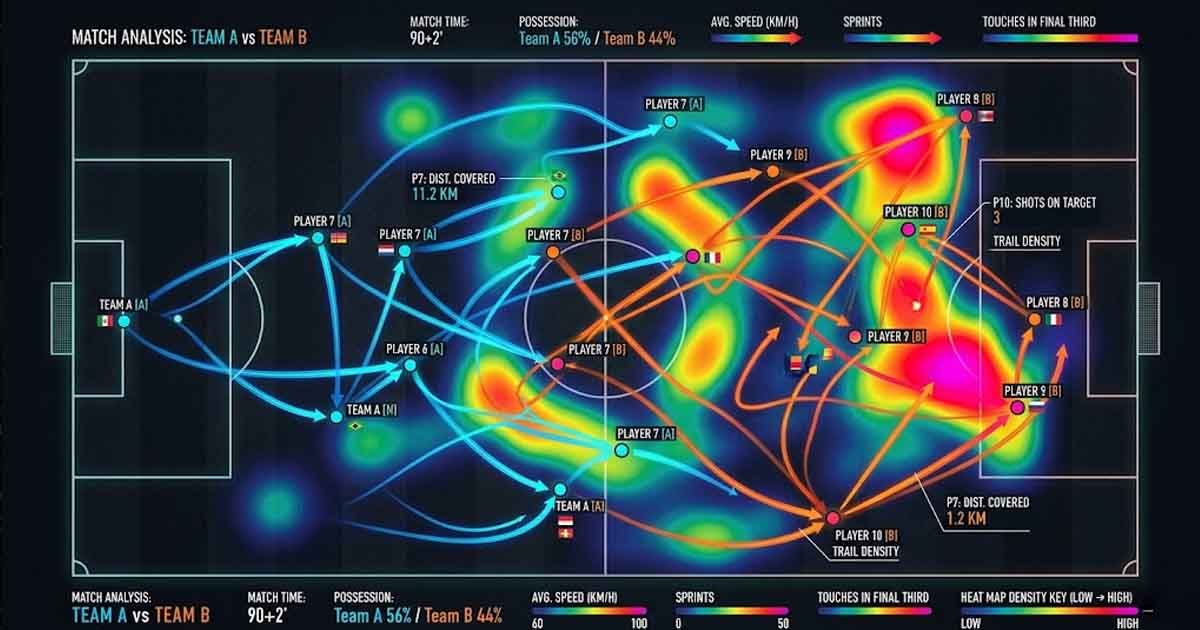
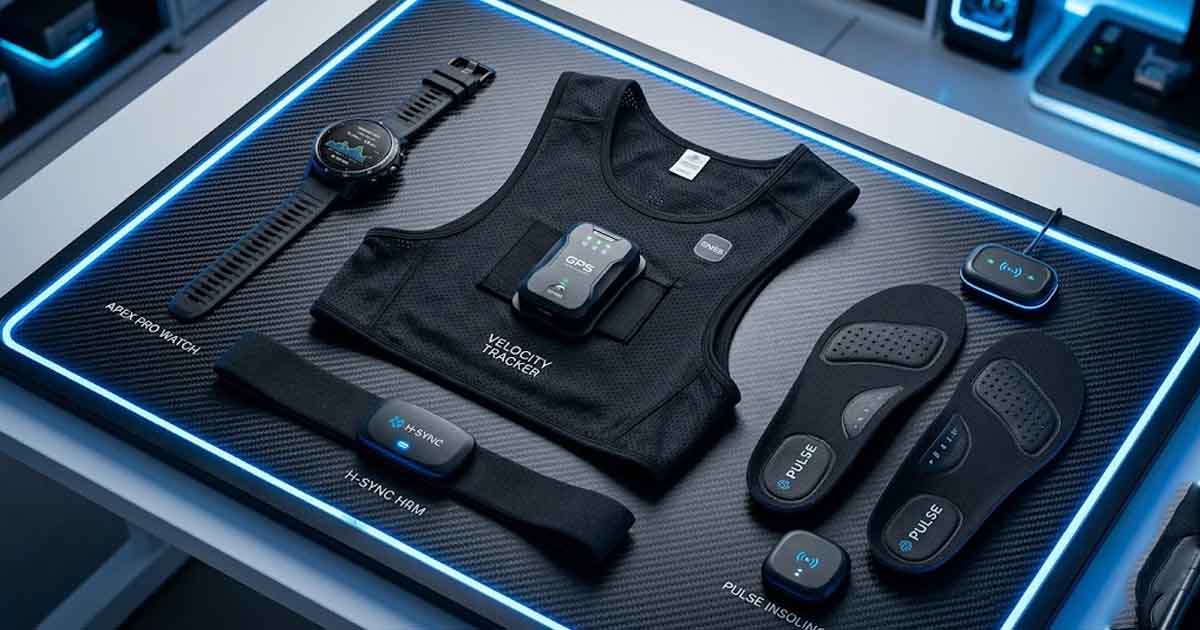
The knowledge transfer is now bidirectional and accelerating. Traditional sport organisations have adopted cognitive training tools validated in esports contexts, particularly for decision-making and reaction time training. The mental performance framework of esports — developed from necessity in a domain where cognitive performance is the entire performance domain — has informed applied sports psychology approaches in team sports that are now emphasising cognitive training with more specificity and rigor than was common previously. And the data management and performance monitoring approaches that esports developed — driven by the availability of comprehensive objective performance data in gaming environments — are being adapted as models for more comprehensive performance monitoring in traditional sport contexts where equivalent data density is now becoming available through tracking technology.

Add a Comment