The way most people watch sport in 2026 — on a large flat screen television receiving a linear broadcast produced by a rights-holding broadcaster — is remarkably similar to how sport was watched in 2006. The screen is better, the resolution is higher, and the camera work has evolved, but the fundamental model — broadcaster selects what you see and when — has persisted through two decades of digital disruption that transformed music, film, and news. That persistence is ending. The technology infrastructure for a radically different sports viewing experience is being built now, and the trajectory toward 2030 is clear enough to describe with reasonable confidence.
Personalised Camera Selection: The End of the Director's Cut
Every major sports venue now has more cameras than any single broadcast director can use simultaneously. The Premier League deploys over 30 cameras per match; Formula 1 has over 100; Olympic venues routinely exceed 50. The traditional broadcast model selects one camera angle at any given moment, controlled by a director making real-time editorial decisions that inevitably prioritise specific storylines and perspectives. The technological capability to deliver every camera angle to every viewer simultaneously, allowing each viewer to choose their own perspective, has existed for several years. The constraint has been rights frameworks, bandwidth economics, and the design of delivery platforms.
These constraints are dissolving. 5G and fibre infrastructure provides the bandwidth for multi-feed delivery at scale. Major streaming platforms are building the multi-angle selection interfaces that make personalised camera choice usable rather than technically overwhelming. And rights negotiations are increasingly including multi-angle streaming as a distinct product category. The sports viewer of 2028-2030 will routinely choose between following a specific player, watching from a tactical overview perspective, or selecting the traditional broadcast cut — as a standard feature rather than a premium novelty.
AI Commentary and Real-Time Data Integration
AI-generated sports commentary — using large language models to generate real-time play-by-play narration informed by live data feeds — is in active deployment in several broadcast contexts in 2026. The current generation of AI commentary is adequate for data-rich, relatively lower-profile applications: automatically generated highlights packages for secondary competition, text-based real-time commentary feeds, and language-localised commentary for international audiences in languages where human commentary talent is not economically viable. It is not yet adequate for the primary commentary on premium live broadcasts, where the contextual depth, emotional range, and narrative coherence of experienced human commentators are clearly superior.
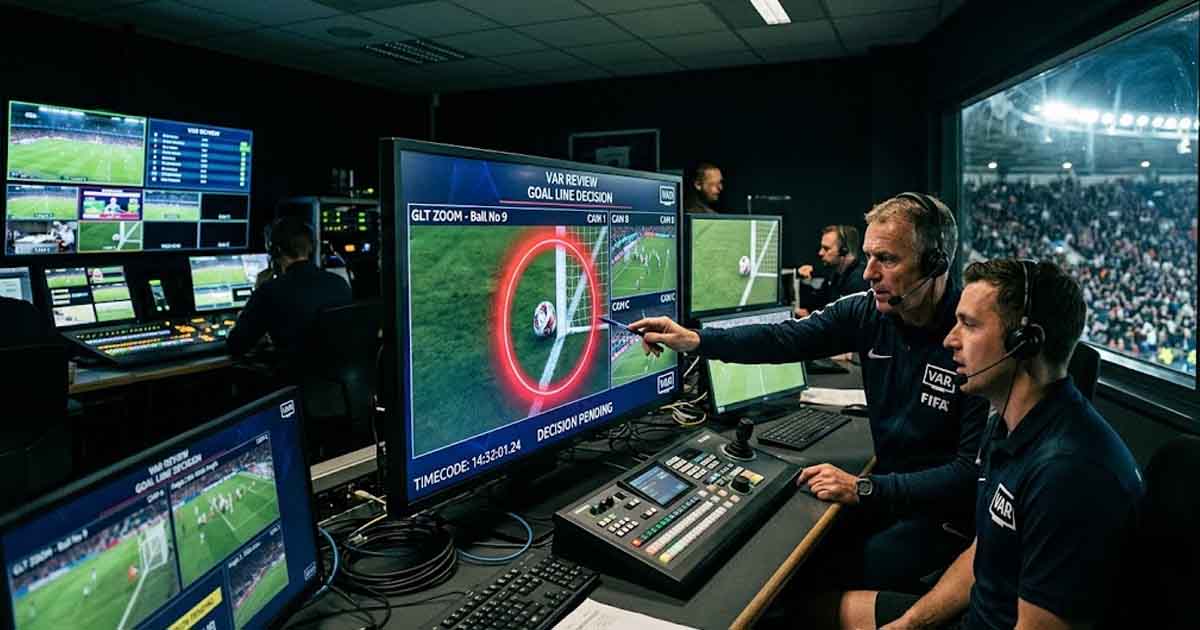
The trajectory points toward AI commentary augmenting rather than replacing human commentary in premium contexts: AI-generated real-time statistical context delivered to commentators through earpieces or screens, automatically generated post-match summary packages, and AI commentary as the primary vehicle for secondary and archived content where human commentary economics are prohibitive. The displacement of human commentary from primary premium broadcasts is unlikely within the 2030 timeframe, but the transformation of what commentary involves — with AI as a real-time data and context partner — is already underway.
Immersive and Holographic Experiences
The immersive experience roadmap for sports broadcasting includes technologies at different maturity levels. Volumetric video — the capture and rendering of three-dimensional video that can be viewed from any angle — has been technically demonstrated but not commercially deployed at scale for sports, primarily because the production infrastructure required is still prohibitively expensive for live broadcast. Holographic projection systems that create three-dimensional sport experiences in physical spaces are in commercial deployment in entertainment venues but not yet at the consumer hardware scale required for home viewing. Extended reality experiences that blend virtual and physical environments are advancing on the hardware side — lightweight smart glasses with useful field-of-view and battery life are approaching commercial viability — though the content ecosystem and use case clarity for sports are still developing.
The Personalisation Engine: Knowing What You Want to Watch
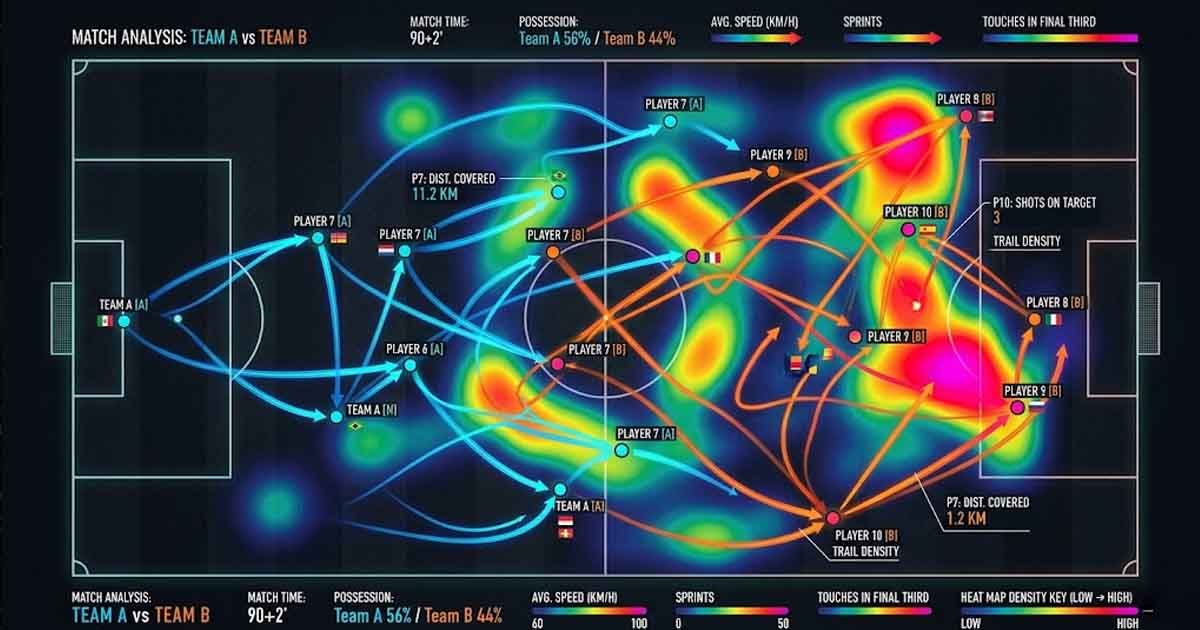
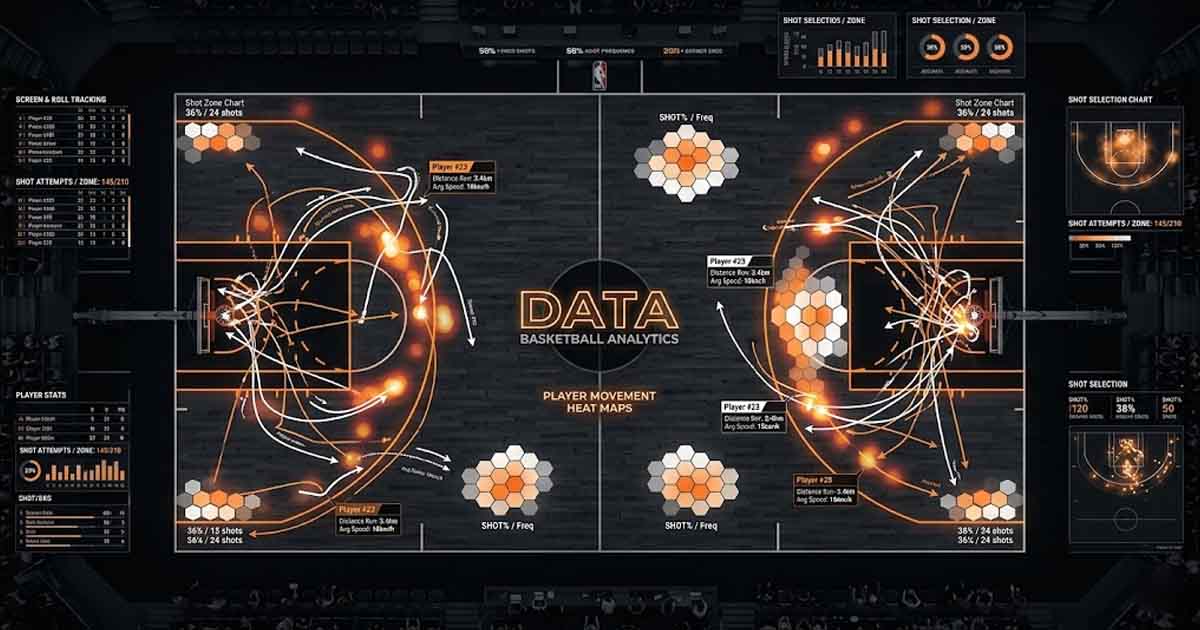
The most commercially significant technology development in sports broadcasting by 2030 will not be cameras or displays — it will be the personalisation infrastructure that understands each viewer's preferences with enough precision to deliver a consistently compelling experience without requiring conscious selection choices from the viewer. AI systems that learn from viewing behaviour — which moments you replay, which storylines you engage with, which players you follow — will construct broadcast experiences tailored to individual viewer interest profiles. The commercial implication is profound: sport that seems marginal or inaccessible to a general audience becomes engaging when it is presented through the specific stories, players, and angles that the individual viewer would find most compelling. This is the technology that will expand sport's total addressable audience most significantly — not by creating new content but by radically improving the matching of existing content to the viewers most likely to find it valuable.


Add a Comment