The decision to attend a live sports event has always required fans to accept trade-offs: the visceral, communal experience of being present versus the superior viewing quality, comfort, and information richness of the broadcast experience. For two decades, those trade-offs shifted progressively in favour of the home viewing experience as broadcast technology improved faster than stadium infrastructure. In 2026, significant technology investment in stadium infrastructure is reversing that trend — creating live venue experiences that offer what broadcast cannot replicate while addressing the comfort and information deficits that have driven declining attendance in several major sports.
Connectivity: The Foundation of the Smart Stadium
Every other smart stadium technology depends on connectivity infrastructure. Distributed antenna systems, small cell networks, and in the most advanced venues, dedicated stadium 5G networks provide the bandwidth necessary for tens of thousands of simultaneous users to access data-intensive applications simultaneously — something that the existing cellular infrastructure at most stadium sites could not support.
The connectivity investment case is driven by the revenue that digital fan engagement enables. Cashless payment systems that process transactions in milliseconds, reducing queue times and increasing concession revenue per fan. In-seat food and beverage ordering that eliminates queue time entirely and has demonstrated consistent revenue uplift in every venue that has implemented it. Interactive digital content that keeps fans engaged during dead time in play. AR overlay applications that provide real-time data enrichment of what fans see through their phones. All of these applications require reliable, high-bandwidth connectivity for every fan simultaneously — and the venues that have invested in that infrastructure are demonstrating measurable attendance and revenue improvements over those that have not.
The Fan Experience Technology Stack
The technology applications being deployed across leading venues in 2026 address both the comfort deficit and the information deficit relative to the home viewing experience.
Facial recognition entry: Ticketless entry using facial biometrics has been deployed at several major venues in the UK, US, and Asia, reducing entry processing time from minutes to seconds per fan and eliminating ticket fraud. The privacy concerns raised by biometric data collection are legitimate and have led several jurisdictions to restrict or regulate venue biometric use — the technology's deployment will continue to vary by jurisdiction as regulatory frameworks develop.
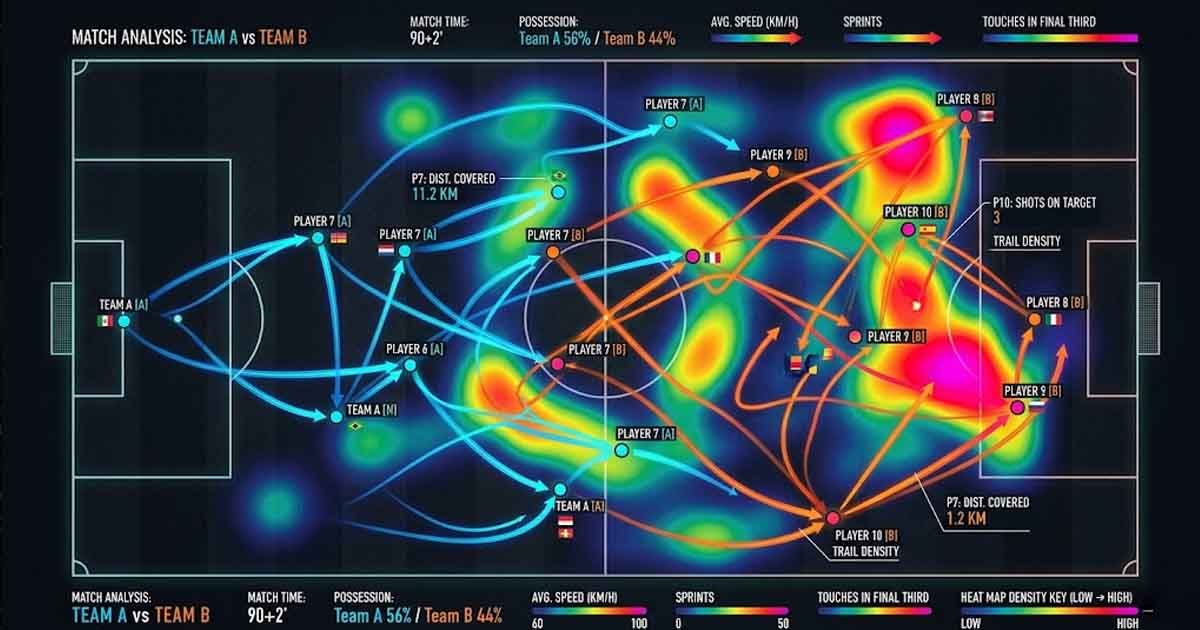
Augmented reality companion applications: Venue-optimised AR applications that use the phone camera to overlay player statistics, real-time data, instant replay, and alternative camera angles over the live view have moved from concept to deployment at multiple venues. The most sophisticated implementations in 2026 use venue-calibrated AR anchoring that maintains overlay accuracy regardless of the fan's position in the stadium.
Personalised in-venue content: Digital signage networks that deliver different content to different sections of the stadium based on the demographic profile and team affiliation of fans in those sections represent the first deployment of the personalisation technology that has long been standard in digital advertising to the physical venue context. Early results show higher concession conversion rates from contextually relevant promotional content.
Sustainability Technology in Smart Stadiums
Smart stadium technology is also being applied to the sustainability challenge that major venues face: the operational footprint of a 60,000-seat stadium running multiple events per year is substantial. AI-optimised energy management systems that adjust lighting, HVAC, and auxiliary power consumption in real time based on occupancy, weather, and operational demand are demonstrating 20-30% reductions in energy consumption compared to conventional building management systems at several major venues. Solar installations on stadium roofs, rainwater harvesting systems, and AI-optimised waste management are becoming standard components of major stadium projects. The sustainability credentials of venues are increasingly important to both local planning authorities and to the sponsors and partners whose own sustainability commitments are reflected in the venues they associate with.
The Revenue Transformation of the Smart Venue
The commercial case for smart stadium investment in 2026 is supported by documented revenue data from early-adopter venues. Cashless payment systems consistently increase average spend per fan by 15-25% by eliminating the friction of cash transactions. In-seat ordering increases concession revenue by 20-35% at venues where it has been implemented. Premium digital experiences — access to AR applications, real-time data, exclusive digital content — are generating new revenue categories that did not exist in traditional venue economics. And the data generated by digital fan engagement — purchase behaviour, content preferences, attendance patterns — has value beyond direct revenue as input into the marketing and product development decisions that shape the long-term commercial health of the sports property.

Add a Comment